
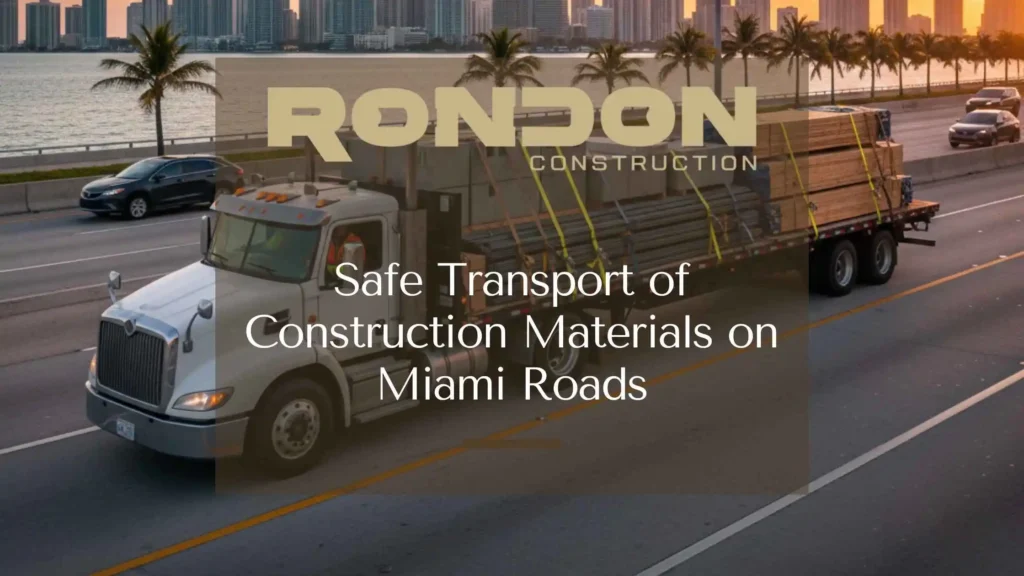
Moving construction materials around Miami is part of everyday life for contractors, builders, and suppliers. But transporting heavy loads on busy highways, narrow residential streets, and humid coastal roads poses unique challenges. One unsecured strap or overloaded truck can quickly turn into a safety hazard, cause property damage, or result in expensive penalties.
Whether you’re hauling lumber, steel beams, drywall, concrete blocks, or heavy machinery, understanding best practices for safe transportation protects your crew, other drivers, and your reputation.
Below, we break down essential safety guidelines, legal considerations, loading strategies, and tips specific to Miami’s traffic and climate.
Why Material Transport Safety Matters
Construction projects operate on tight timelines. A single incident on the road can:
- Damage expensive materials
- Delay project schedules
- Increase insurance costs
- Lead to injuries or legal liability
- Attract state and city fines
Beyond compliance, responsible hauling ensures productivity and helps keep Miami roads safer for everyone.
Know the Laws: Miami & Florida Transport Regulations
Before loading a truck, drivers and contractors must understand basic rules:
Weight and Load Limits
Every vehicle has a Gross Vehicle Weight Rating (GVWR) that cannot be exceeded. Overloading leads to poor braking, tire blowouts, and suspension failure and law enforcement is strict about enforcement.
Securing the Load
Florida statutes require that all loads be secured to prevent shifting, spilling, or blowing off the vehicle. Tarps, tie-downs, and cargo nets must be in good condition, free from fraying or damage.
Oversized and Wide Loads
Large beams, machinery, or prefabricated structures may require:
- Special permits
- Escort vehicles
- Approved transport routes
- Travel time restrictions (avoiding rush hours and night travel in some cases)
Ignoring permit rules can result in significant fines and delays.
Tip: If in doubt, consult a licensed heavy-haul provider or permitting service before transport.
Common Materials and Their Transport Risks
Different materials require different handling strategies:
- Lumber & plywood: risk of shifting stacks and flying debris
- Drywall & sheet goods: fragile and easily cracked
- Concrete blocks & bricks: extremely heavy with shifting-weight hazards
- Steel beams & rebar: protruding edges create collision risks
- Gravel, sand & loose fill: requires full tarping to avoid spillage
- Heavy equipment: needs specialized trailers and secure anchor points
Understanding the material’s weight, shape, and fragility helps determine proper loading techniques.
Best Practices for Safe Loading and Securing
1. Balance the Load
Keep heavy materials low and evenly distributed across the truck bed. Uneven loading increases rollover risk, especially during Miami’s sudden lane changes and tight turns.
2. Use the Right Tie-Down Equipment
Choose equipment rated for the material’s weight:
- Ratchet straps
- Chains
- Load binders
- Wheel chocks
- Edge protectors
Always tighten, test, and recheck tie-downs after the first 10–15 minutes on the road.
3. Protect Fragile Materials
Use padding, corner guards, or crates to reduce vibration damage, especially on uneven road surfaces and construction entrances.
4. Tarp Properly
A loose tarp can become a dangerous projectile. Secure tarps tightly, ensuring nothing can escape or obstruct other drivers’ visibility.
Miami-Specific Considerations Drivers Should Expect

Heavy Traffic & Sudden Stops
US-1, I-95, and the Dolphin Expressway see heavy congestion. Extra braking distance is critical for loaded trucks.
Rain and Coastal Moisture
Moisture increases rust risk and reduces traction. Non-slip mats, rust-proof chains, and frequent brake checks are essential.
Wind and Storm Conditions
Open-bed loads, especially plywood, insulation panels, and tarped material are vulnerable to strong winds. When the weather worsens, delay transport when possible.
Training Your Team Makes a Difference
Companies that invest in transport training experience fewer accidents and claims. Training should cover:
- Load calculations
- Proper use of straps and chains
- Hazard recognition
- Defensive driving with heavy loads
- Emergency response steps
Clear internal checklists help ensure nothing is overlooked before departure.
When to Hire Professional Transport Services
Some loads are simply better handled by specialists, especially oversized, overweight, or high-value cargo. Professional haulers provide:
Permit handling
Specialized trailers
Experienced, certified drivers
GPS tracking and route planning
Insurance coverage
For time-sensitive projects, outsourcing heavy transport can actually reduce costs and risks.
A Simple Pre-Trip Checklist
Before hitting Miami roads, drivers should always confirm:
- Load is balanced and secure
- Straps and chains are tight and undamaged
- Tarping is secure with no flapping edges
- Tires are properly inflated
- Lights and signals work
- Mirrors provide full visibility
- Required permits are on hand
A five-minute inspection can prevent hours of downtime.
Final Thoughts
Safe transport of construction materials on Miami roads isn’t optional; it’s essential. By following regulations, securing loads correctly, training teams, and partnering with qualified transport providers when necessary, contractors protect their workers, the public, and their projects.
Call to Action
Well-planned hauling keeps materials intact, prevents accidents, and helps Miami’s construction industry keep building safely and efficiently.
If you’d like, I can tailor this blog to your company name, add local keywords, or optimize it for your website’s style. Contact us today!